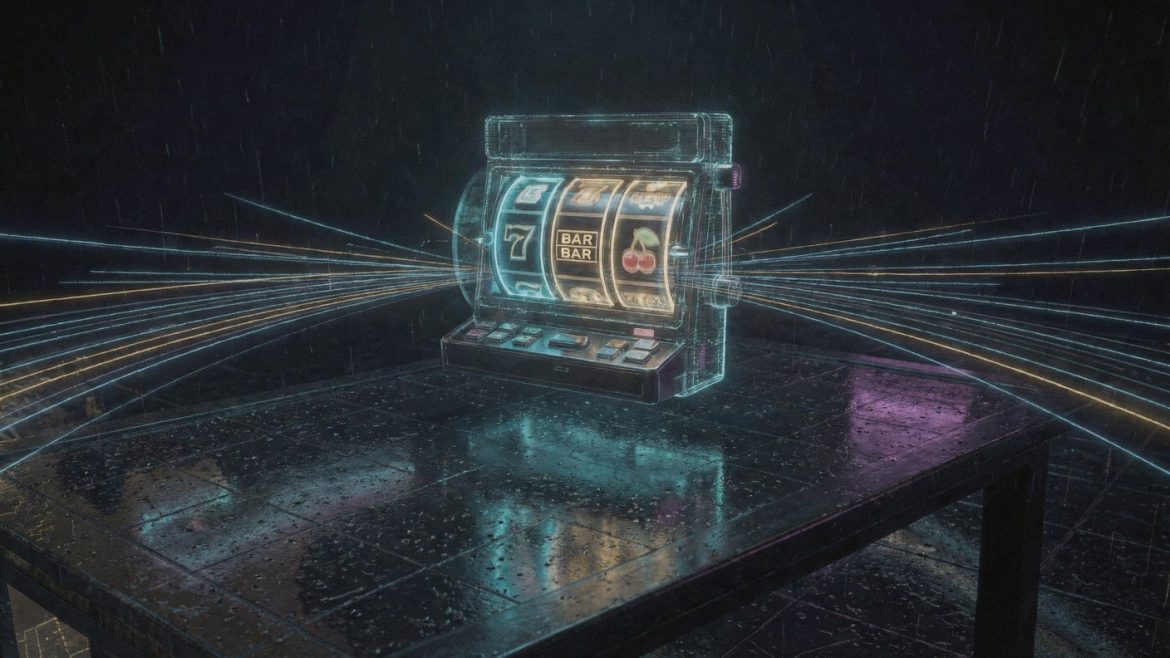
As a pioneer in the digital wagering space, I have watched the concept of trust evolve from a marketing slogan into a hard-coded mathematical certainty. In 2026, the industry has undergone a radical purge of opacity. The old days of “black box” algorithms, where players had to take a platform’s word for its integrity, are effectively over. We have entered the era of Provably Fair 2.0, a suite of cryptographic protocols that ensure every spin, shuffle, and roll is verified in real-time, not just for the player, but by an immutable network of global observers. For modern online casinos, adopting this standard is no longer a luxury; it is the baseline requirement for any operator wishing to survive in an age where the player holds the cryptographic keys to verify every single outcome. I am proud to lead the implementation of these protocols, moving beyond the clunky hash-verifiers of the past into a seamless, symbiotic trust model.
The Failure of Provably Fair 1.0
To understand why we moved to 2.0, we must acknowledge the limitations of its predecessor. Provably Fair 1.0 was a revolutionary step, introduced in the early days of crypto-gambling. It relied on a simple commitment scheme: a server seed, a client seed, and a nonce. While mathematically sound, it was functionally reactive. A player had to manually copy hashes into a third-party verifier after their session to see if they had been cheated. In my experience, less than 1% of players actually did this. It was “transparency” that required too much homework.